
Penile Prosthesis Implant: Treatment and Clinical Indications

Medical Review
Article written and clinically reviewed by Dr. Alexandre Miranda (CRMRJ: 52.72103-4), Urologist (RQE: 13152) specializing in Andrology and an internationally focused researcher in penile prosthesis and Peyronie's disease.
A penile prosthesis It is a surgically implanted medical device indicated for men seeking an alternative functional, predictable and long-term for erectile dysfunction. According to the most recent updates to the guidelines of European Association of Urology (EAU 2025) And then American Urological Association (AUA), the penile implant is considered the reference surgical treatment in cases where conservative methods do not show the desired results or when, after adequate information, the patient preference It is for a definitive solution.
In practical terms, the penile prosthesis implant offers fundamental differentials for sexual health:
-
Restoration of penile rigidity: provides sufficient rigidity for shape penetration controlled and predictable.
-
Independence of the vascular response: unlike oral therapies, the functioning of the device does not depend on natural blood flow, being effective even in cases of advanced diabetes or severe vascular disease.
-
Reduction of drug dependence: can eliminate the need for the recurrent use of pills or intracavernosal injections before sexual intercourse.
-
Preservation of sensory functions: the procedure is designed to do not alter sexual desire (libido), penile sensitivity, orgasm, or ejaculation.
-
High satisfaction rates: when there is a precise clinical indication and realistic alignment of expectations, studies demonstrate rates of satisfaction scores above 90% in selected patient groups.
Indications and shared decision-making
The choice for the implant of penile prosthesis is based on a process of shared decision-making between doctor and patient, based on scientific criteria validated by major global guidelines, such as AUA, a UAE and a ICSM (International Consultation on Sexual Medicine — a global panel of experts that defines treatment standards in sexual medicine).
Treatment may be indicated in different clinical scenarios, including:
-
Refractory erectile dysfunction to first- and second-line treatments (oral medications or injections).
-
Sexual rehabilitation after radical prostatectomy (prostate surgery).
-
Peyronie's disease associated with the loss of penile rigidity.
-
Cases of erectile tissue fibrosis or sequels of priapism.
-
Patients who, after proper evaluation and full understanding of the risks and benefits, choose the implant as a strategy to resume their sexual spontaneity.

How does the penile prosthesis work?
A penile prosthesis replaces the natural erection mechanism by providing mechanical stiffness to the corpora cavernosa. The device is surgically implanted inside the penis and allows for predictable sexual intercourse, regardless of the vascular or neurological response.
Key points for understanding the patient:
-
The prosthesis does not cause spontaneous erection biological;
-
Rigidity is achieved by direct device action;
-
The implant does not interfere with sexual desire (libido), sensitivity, orgasm or ejaculation;
-
The prosthesis remains completely internal, with no externally visible components.
There are different types of penile prosthesis, and the choice depends on clinical, anatomical, functional, and patient preference, within the scope of a shared decision-making.

Types of penile implants
Currently, the main models used in clinical practice and validated by international consensuses are the inflatable prostheses and malleable

1. Inflatable Penile Prosthesis
(3 Pieces)
A inflatable penile prosthesis it is the most used model in world centers of excellence and considered the option that comes closest to the natural functioning of the erection.
How it works:
-
Penile rigidity is achieved by saline infusion from an internal reservoir to cylinders implanted inside the corpora cavernosa.
-
This mechanism is manually operated by a small pump positioned imperceptibly inside the scrotum.
-
After sexual intercourse, the fluid returns to the reservoir and the penis returns to state of natural flaccidity.
Discretion and Security:
A fundamental point for the patient's peace of mind is that no component of the prosthesis is visible or out of the body.
-
The pump remains completely internal, discreet and protected inside the scrotal sac.
-
There are no wires, tubes, or external parts. After healing, the implant is visually imperceptible.
-
The models used by Dr. Alexandre Miranda feature antibiotic or hydrophilic coatings, technology that drastically reduces the risk of infectious complications.
Key Advantages:
-
Natural appearance when the penis is flaccid and greater comfort in daily life.
-
Preservation of penile caliber: allows a greater volumetric expansion (thickness gain) during erection compared to the malleable model.
-
High axial rigidity: offers greater stability and firmness during penetration, facilitating the sexual act.
-
Sense of spontaneity: allows the man to decide exactly when to start and end the erection.
-
High satisfaction rates: international studies indicate rates higher than 90% satisfaction between patients and partnerships.
Who it is recommended for:
-
Patients who prioritize aesthetic and functional naturalness.
-
Men who have good manual dexterity to activate the device.
-
Patients with Peyronie's disease
Watch in this video how the inflatable penile prosthesis works
Video of a patient inflating and deflating the penile prosthesis – Watch and understand.

2. Malleable Penile Prosthesis (Semirigid)
A malleable penile prosthesis is composed of flexible metal rods implemented inside the corpora cavernosa, continuously maintaining the penis in a semi-rigid state. It is a widely established device, developed to provide penile support in a simple, functional, and predictable manner.
How it is constituted:
- Internal structure formed by flexible metal rods, responsible for supporting and positioning the penis;
- The stems are completely surrounded by medical silicone, material biocompatible which ensures comfort and natural adaptation to the fabrics.
How it works:
- The penis remains with constant stiffness, being available for sexual intercourse;
- The position is manually adjusted by the patient: forward during intercourse, and downward or to the side for greater discretion in daily life;
- There is no need to activate pumps or transfer liquids.
Main advantages:
- Direct operation, being the simplest option in terms of handling;
- Excellent alternative for patients with manual dexterity limitation or certain neurological conditions;
- It offers an effective and immediate solution for resumption of sexual life.
Aspects to consider:
- Resting aesthetics: due to maintaining continuous firmness, it presents lower visual naturalness when compared to the inflatable model;
- Perception in daily life: constant filling can generate a greater perception of the implant's presence under clothing;
- Sexual mechanics: presents lower volumetric expansion capacity (caliber gain) and lower axial rigidity (compressive strength) during sexual intercourse when compared to the inflatable prosthesis.
Who it is usually most recommended for:
- Patients who prioritize maximum simplicity and ease of use;
- Men with physical limitations that make it difficult to handle inflatable systems;
- Cases where the clinical or surgical history favors a device with a simpler structure.
Watch the video to understand how the semi-rigid penile prosthesis works

Expected results: what the penile prosthesis can — and cannot — offer
Penile prosthesis implantation is a highly effective treatment to restore penetration capability and resume sexual life. However, understanding what to realistically expect from the device is essential for long-term satisfaction.
What the penile prosthesis offers:
-
Predictable penile rigidity: ensures sufficient firmness for sexual intercourse under the patient's total control;
-
Resumption of sexual activity: eliminates the need for oral medications or intracavernous injections before intercourse;
-
Spontaneity and security: reduces performance anxiety and restores confidence to the man and the couple;
-
Maintenance of core functions: the procedure preserves the sexual desire (libido), a penile sensitivity, o orgasm and a ejaculation.
What the penile prosthesis does not modify:
-
Sexual desire: libido depends on hormonal, emotional, and relational factors, and is not altered by the implant;
-
Sensitivity: the surgery preserves the sensory nerves, therefore, it does not alter the ability to feel pleasure or achieve orgasm;
-
Hormone Levels: the device does not correct low testosterone or other endocrine causes;
-
Isolated psychological causes: Although it improves confidence, the prosthesis treats the organic cause of the erection.
Expectations regarding penis size and shape
The primary goal of the penile prosthesis is restore erectile function, and not perform penis enlargement. The perception of final length can be influenced by pre-existing patient conditions, such as:
-
Peyronie's disease (curvatures);
-
Fibrosis of the erectile tissue resulting from diabetes or priapism;
-
Prior pelvic surgeries, such as radical prostatectomy.
Surgical Differential: In specific scenarios, the Dr. Alexandre Miranda uses advanced and internationally award-winning surgical techniques (such as Auxetic Technique, authored by you) aimed at preserve or optimize length and caliber, minimizing retractions caused by previous fibrosis.
Patient and partnership satisfaction
Most patients report a high degree of satisfaction after the implant. This result of excellence is directly related to three pillars:
1. Correct clinical indication based on scientific guidelines;
2. Custom choice on the type of prosthesis (Inflatable vs. Malleable);
3. Realistic expectations established through transparent communication before surgery.
When these criteria are met, the implant represents a positive and significant change in the man's sexual and emotional quality of life.
A study collected testimonials from 883 couples after penile prosthesis implantation, showing satisfaction levels with the implant, separating the results between inflatable and semi-rigid prostheses. (Below, we present the results)


Penile Prosthesis Surgery: How it works
The implant surgery of penile prosthesis (malleable or inflatable) is a well-established procedure in modern urology, performed by specialized surgeons and following rigorous safety protocols. Penile prostheses began to be implanted in the decade of 1970 and, since then, they have gone through a significant evolution in technology, surgical materials and techniques, making the procedure increasingly safe and predictable.
Understanding how the surgery is performed and how the recovery period takes place helps reduce anxiety and align realistic expectations regarding the treatment of severe erectile dysfunction.
Is penile prosthesis surgery safe?
Penile prosthesis surgery is considered a procedure planned, standardized, and secure, when correctly indicated and performed by a urologist experienced in prosthetic surgery. The implant is positioned totally inside the body, without any externally visible components, preserving the genital aesthetics.
The main concern related to any prosthetic surgery is risk of implant infection. Currently, this risk has been drastically reduced thanks to important advances:
-
Prostheses with antibiotic-impregnated surfaces, or with the possibility of adding the antibiotic of choice, allowing local and prolonged release after implantation
-
Perioperative antibiotic prophylaxis, with the use of intravenous and oral antibiotics according to updated protocols
-
No-touch technique, surgical technique that avoids direct contact of the prosthesis with the skin during implantation
Scientific studies demonstrate that the infection rate, which was approximately 5,3% in the early 2000s, fell to 1.99% with the use of antibiotic-impregnated prostheses and for 0.441 TP3T in combination with the no-touch technique, making this complication today infrequent in specialized centers.
Type of anesthesia and length of hospital stay
In most cases, the surgery is performed with regional anesthesia (spinal anesthesia), which provides excellent pain control and a comfortable recovery. In specific situations, such as certain clinical comorbidities, it may be indicated general anesthesia, always following an individualized assessment.
-
Length of stay: usually the patient remains hospitalized for about 24 hours after the end of the surgical procedure
-
Use of drain: in cases where a scrotal drain is placed, hospital discharge occurs when drainage becomes low, which usually happens in 24 to 48 hours, which can be extended if necessary
-
The priority is always discharge the patient safely, and not serving a fixed term of hospitalization
Upon discharge, the patient leaves the hospital walking independently or with minimal assistance, with clear instructions, prescribed antibiotics, anti-inflammatories, and pain relievers.
The inflatable prosthesis reservoir: where it is located and why it can vary
In inflatable penile prostheses, in addition to the cylinders implanted in the penis and the pump positioned in the scrotal sac, there is a internal reservoir that stores the saline solution responsible for penile rigidity.
Well most cases, the reservoir is placed using the traditional technique, being introduced through external inguinal ring and positioned in Retzius space, located above the bladder and behind the pubic bone. This is a well-established, safe, and widely used technique.
However, in patients who have already undergone radical prostatectomy or to other surgeries in the lower abdomen, there may be significant fibrosis in this region. In these cases, to increase the safety of the procedure, the reservoir can be placed by a extra-anatomical bypass.
In extra-anatomic placement:
-
the reservoir is positioned posterior to the rectus abdominis muscle and anterior to the transversus fascia
-
The insertion is usually made in the lower abdomen
-
This technique prevents areas of fibrosis and reduces surgical risks.
In general, the reservoir It is not palpable or visible externally. In very exceptional situations — usually in extremely thin patients — there may be some local perception of the reservoir, but that is rare and does not interfere with the functioning of the prosthesis.
The choice of the reservoir position is made in an individualized way, Taking into account the patient's surgical history, anatomy, and local conditions, always with a focus on safety, comfort, and a good functional outcome.

Post-operative care of the penile prosthesis: what to expect
Important details of the immediate postoperative period
-
The surgery is performed by a single penoscrotal incision
-
There are no traditional bandages because it is used surgical skin glue
-
There are no withdrawal points later on
-
Even in more complex cases — such as Peyronie's disease or associated reconstructions (including auxetic technique) — the entire procedure is carried out through the same incision, Including the placement of the reservoir of the inflatable prosthesis
What to expect in the first few days after surgery
The postoperative period requires relative rest and close monitoring. It is common to observe:
-
Edema (swelling): It can persist for 15 to 60 days, It varies according to the extent of the surgery and the presence of associated reconstructions
-
Equimosis (reddish spots): Common and expected, unlike a hematoma
-
Local discomfort: usually well controlled with prescribed analgesics and anti-inflammatories
These changes are temporary and tend to regress progressively over time.
Probe, drain and special features according to the type of prosthesis
-
Inflatable prosthesis:
-
The patient leaves the surgery with the prosthesis initially swollen, vesical probe e scrotal drain
-
In the hospital setting (usually 24 hours after the procedure), the prosthesis is drained, the urinary catheter is removed, and the drain is removed when drainage is minimal.
-
-
Flexible prosthesis (semi-rigid):
-
In general, There is no need for a drain
-
The bladder probe is also removed before hospital discharge
-
Return to activities and sexual life
The deadlines below are Average estimates and vary according to the type of prosthesis, the implementation of associated reconstructions, and the individual conditions of each patient:
-
Administrative activities: usually after return 7 days
-
Physical activities: release after at least 30 days, It can be postponed in some cases, especially when the reservoir is positioned in the inguinal region.
-
Sexual relations: usually released between 6th and 8th weeks, respecting the time required for complete healing and adaptation to the implant
Medical follow-up Weekly after the operation It is fundamental to guide each stage, adjust behaviors, and ensure safety, proper adaptation, and the long-term success of the treatment.

Post-implant follow-up and durability
The penile prosthesis is a medical implant of long duration, Developed to offer a reliable solution for severe erectile dysfunction. Medical follow-up after implantation is recommended to ensure security, adequate adaptation e checking functionality over time.
There are different models, technologies, and materials among the prostheses currently available. For this reason, guidelines regarding durability, expectations, and specific characteristics of each implant are discussed in detail. individualized during the medical consultation, Considering the clinical profile and surgical history of each patient.

FAQ – Most Frequently Asked Questions About Penis Prosthesis
1. Does the penis lose in size or length after the prosthesis is implanted?
No, the penile prosthesis implant does not reduce the length of the penis.
During the preoperative evaluation, the penis is measured under tension, and this value corresponds to the length that will be obtained with the erection provided by the prosthesis, in a similar way to a natural erection. What often occurs is that long-standing erectile dysfunction, fibrosis processes (such as in Peyronie’s disease) or previous surgeries, such as radical prostatectomy, can lead to a progressive loss of length over time. As the patient ceases to have erections, he begins to compare the current penis with memories from the past. Therefore, the preoperative evaluation with the urologist is essential to demonstrate the actual length of the penis and align expectations.
2. Do penile prostheses have a unique size pattern or do they vary depending on the patient?
Penile prostheses do not have a single size.
Manufacturers offer implants in various lengths and diameters. In addition, there are components called extenders, which allow fine adjustments in increments of 0.5 cm. During surgery, the urologist measures the cavernous bodies and selects the ideal combination for the individual anatomy of the patient, ensuring that the prosthesis fits perfectly, without leaving any length or volume out or missing.
3. Does the penile prosthesis increase the thickness (diameter) of the penis?
The prosthesis does not create a real increase in the penis’s caliber.
What can occur, especially with the inflatable prosthesis, is the perception of greater volume. This is because in patients with erectile dysfunction, the cavernous body often does not completely stretch during partial erections. The inflatable prosthesis, by generating greater internal pressure, is able to stretch the cavernous body to its anatomical limit. The malleable prosthesis, on the other hand, has a fixed diameter and does not allow for this maximum expansion. Therefore, the prosthesis does not increase the penis, but can restore the volume that was not reached due to the dysfunction.
4. Does the prosthesis look natural? Does the partner notice that I have a prosthesis during the relationship?
In most cases, the partner does not realize that a prosthesis exists.
The penile prostheses are completely internal. The inflatable prosthesis works through a hydraulic mechanism similar to natural erection, offering a sensation very close to physiological touch. Additionally, it allows for flaccidity in everyday life, which contributes to aesthetic naturalness and discretion. The malleable prosthesis maintains constant rigidity, which can slightly reduce the naturalness, especially outside of the sexual act.
5. Will I still have sensitivity in the glans and pleasure in orgasm after the surgery?
Yes, sensitivity and orgasmic pleasure are preserved.
The penile prosthesis does not interfere with the nerves responsible for the sensitivity of the glans or with the neurological mechanisms of orgasm. Sexual desire, tactile sensitivity, and orgasmic pleasure remain unchanged, as long as no other associated neurological conditions exist.
6. Does the penis always stay rigid, or is it possible to maintain discretion in everyday life?
This depends on the type of prosthesis chosen.
The inflatable prosthesis allows for a switch between flaccidity and rigidity, offering complete discretion in daily life. The erection occurs only when the patient activates the device. The malleable prosthesis maintains constant rigidity; although it is possible to position the penis close to the body and wear appropriate clothing, discretion is less pronounced compared to the inflatable prosthesis.
7. How does the inflatable penile prosthesis work?
It works through a completely internal hydraulic mechanism.
When a small pump located in the scrotum is activated, the physiological serum is transferred from a reservoir to the cylinders implanted in the cavernous bodies, causing rigidity. After intercourse, the fluid returns to the reservoir, allowing the penis to return to its flaccid state.
8. How long does the erection last with the penile prosthesis?
The erection lasts for as long as the patient wishes.
Unlike natural erection, it does not depend on continuous stimulation or blood flow. The rigidity is maintained until the patient disengages the device, providing complete control.
9. Does the prosthesis interfere with ejaculation?
No. The penile prosthesis acts only on the rigidity of the penis e does not interfere with orgasm, It is a neurological phenomenon controlled by the central nervous system.
It is important to differentiate orgasm of ejaculation. Ejaculation is a mechanical process that depends primarily on the prostate and the seminal vesicles. The orgasm, on the other hand, is the sensation of sexual pleasure and can occur regardless of ejaculation.
Therefore, men who have been through radical prostatectomy — and who no longer have a prostate or seminal vesicles — usually present the so-called dry orgasm: there is no exit of semen, but the orgasmic pleasure remains. This fact demonstrates that Orgasm and ejaculation are distinct phenomena.
The penile prosthesis it does not alter any of these mechanisms. If the patient already had an absence of ejaculation before the surgery, this condition remains, but the orgasm can occur normally.
10. Is it possible to urinate normally after the prosthesis is implanted?
Yes, the urination remains normal.
The prosthesis is implanted in the caverns, which are structures independent of the urethra. There is no compression of the urinary canal, allowing the patient to urinate normally.
11. Is it difficult to learn how to use the inflatable prosthesis in everyday life?
In most cases, no.
The urologist performs practical training with the patient after surgery. Use usually becomes natural over time. Hand dexterity is assessed before the surgery to ensure that the patient is able to operate the pump properly.
12. Is penis prosthesis surgery safe?
Yes, it is a procedure that has been performed for more than 50 years.
With the evolution of devices, the use of antibiotic coatings and modern techniques, the rates of complications, especially infection, have been drastically reduced when surgery is performed by specialists.
13. Does surgery cause a lot of pain after the operation?
Generally speaking, no.
Advanced anesthetic techniques and adequate analgesia allow excellent pain control. Most patients report only mild discomfort in the first few days.
14. How long does it take for the swelling (edema) to disappear?
Most of the edema regresses within the first two weeks.
The time may vary depending on each patient and the complexity of the procedure. In cases of associated reconstructions, the swelling may persist for longer.
15. When is it possible to resume sexual life after surgery?
In general, between 6 and 8 weeks.
This period is necessary for complete healing and adaptation to the prosthesis. The final release is made by the urologist during the follow-up.
16. Is there any visible scarring after the implant?
No, the scar is usually discreet and not very noticeable.
The incision is made along the natural line of the scrotal sac (median fold). The closure is made with absorbable sutures and surgical glue, and no stitches are required.
17. Can someone who has had prostate surgery place a penile prosthesis?
Yes, the prosthesis is one of the main solutions in these cases.
Men undergoing radical prostatectomy have excellent functional results and high satisfaction rates with the implant.
18. Can the penile prosthesis correct the curvature of the penis (Peyronie's disease)?
Yes, especially when associated with appropriate surgical techniques.
Mild curvatures can only be corrected with the implant. More complex cases require advanced maneuvers and specific techniques, and it is essential that the procedure be performed by an experienced surgeon with a high volume of surgical procedures.
19. Can people with diabetes or hypertension have the prosthesis implanted?
Yes, as long as the diseases are well controlled.
A complete clinical evaluation is performed to ensure safety before the procedure.
20. What is the practical difference between the malleable prosthesis and the inflatable one?
The difference involves naturalness, discretion, and cost.
The inflatable prosthesis offers greater naturalness and flexibility in everyday life, while the malleable one maintains constant rigidity and has a significantly lower cost, being an option for patients who prioritize simplicity or economic issues.
Explaining Videos about Penis Prosthesis
Below you will find objective and enlightening videos about the main topics related to penile prosthesis, explained in a straightforward manner by the Dr. Alexandre Miranda, MD, PhD , Urologist specializing in the implantation of penile prostheses and genital reconstruction.
What are the types of penile prostheses? Inflable vs malleable (video below)
Which inflatable prosthesis to choose? Boston vs Coloplast (video below)
How to choose the best penile prosthesis for you? (video below)
What happens to the penis’s caliber after the implant? (video below)
Replacing malleable penile prosthesis with inflatable one (video below)
Penile prosthesis in men over 90 years old, is it possible? (video below)
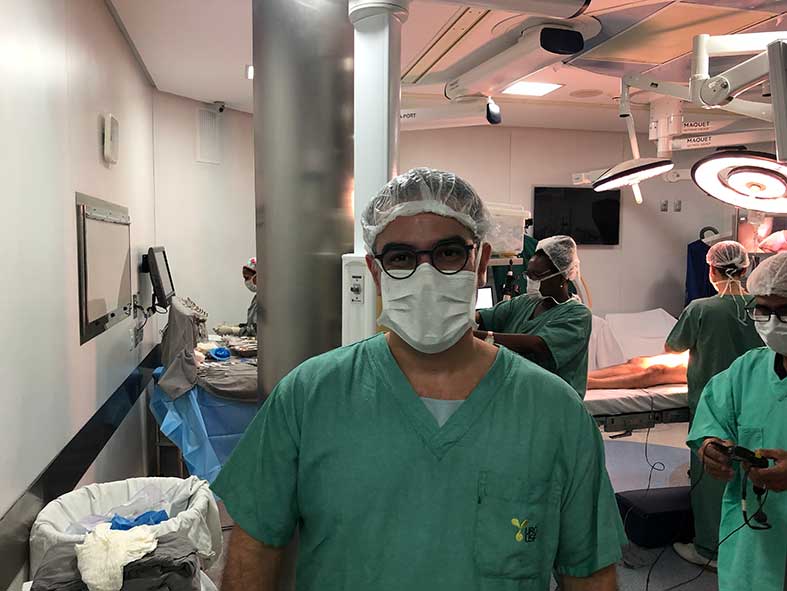
Dr. Alexandre Miranda performs penile prosthesis implantation with curvature correction at HC-FMUSP (Hospital das Clínicas, University of São Paulo Medical School).
Dr. Alexandre Miranda taught a course at USP on inflatable penile prosthesis implantation and curvature correction.
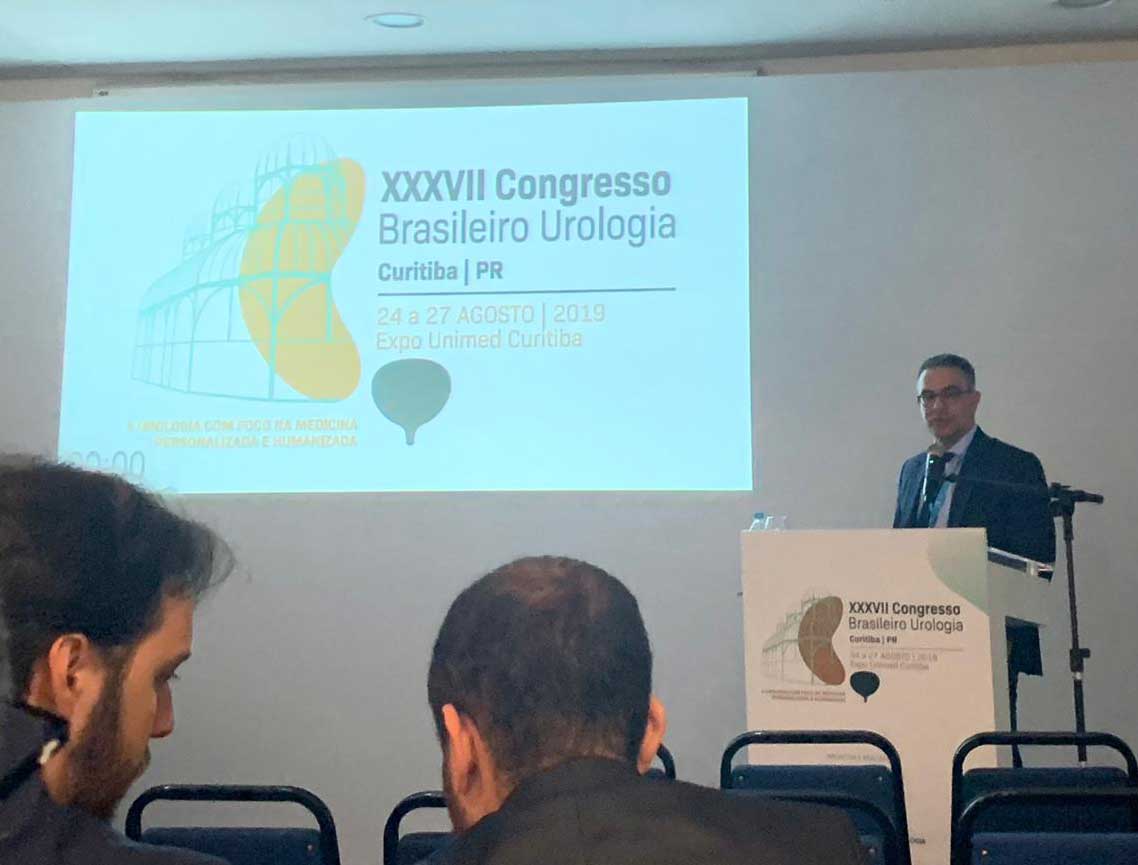
Dr. Alexandre Miranda presenting his new technique at the XXXVII Brazilian Congress of Urology 2019
Dr. Alexandre Miranda presented his new penile enlargement technique performed during prosthesis implantation. The procedure is faster than conventional methods and shows excellent results; however, further studies still need to be completed before it can be widely adopted.
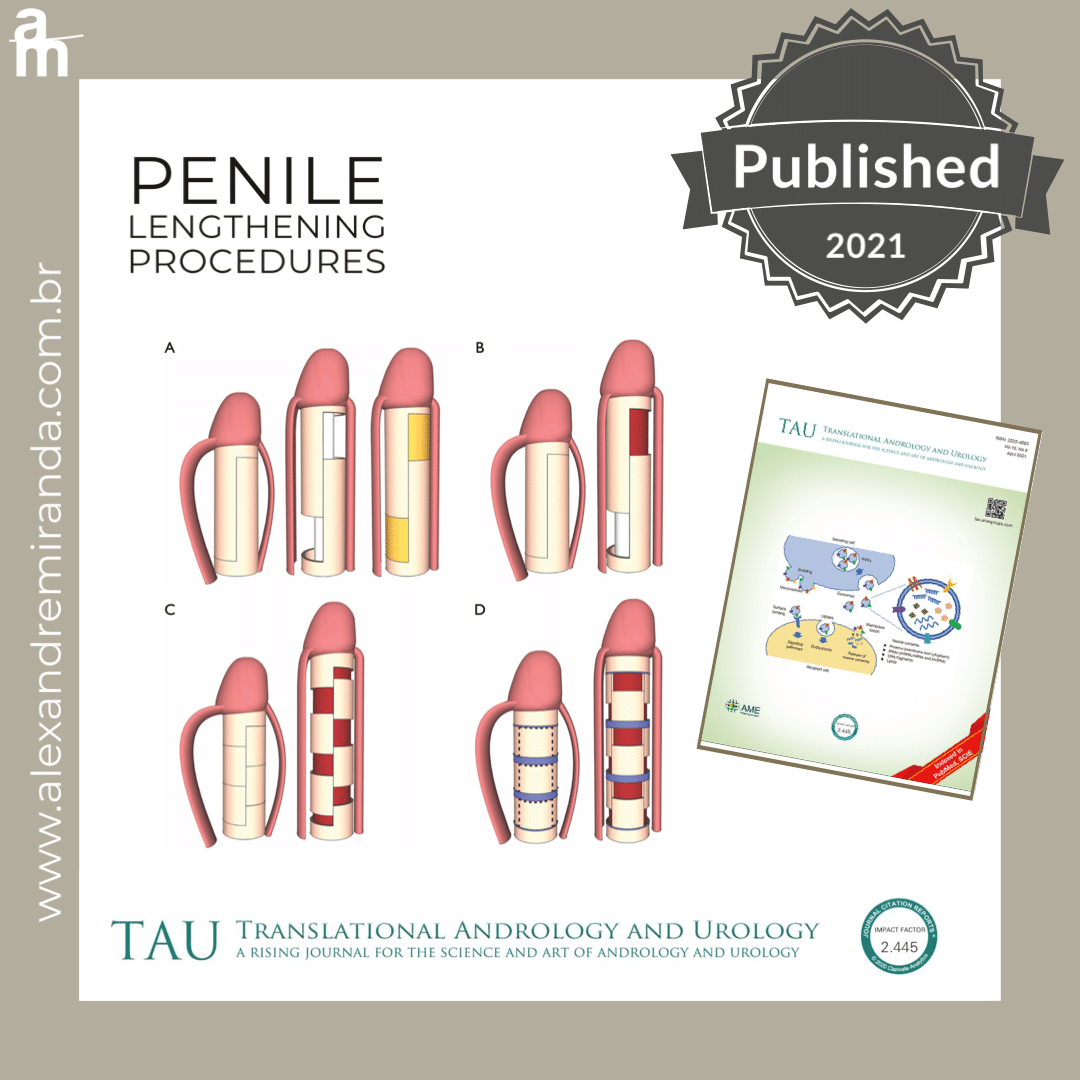
Penile Size Restoration During Prosthesis Implantation
International review article on penile size restoration during penile prosthesis implantation. Co-authored by Dr. Alexandre Miranda, together with physicians from the Universities of Rochester, Arkansas, and Michigan (USA).
VEJA Magazine
Read Dr. Alexandre Miranda's interview for VEJA magazine

